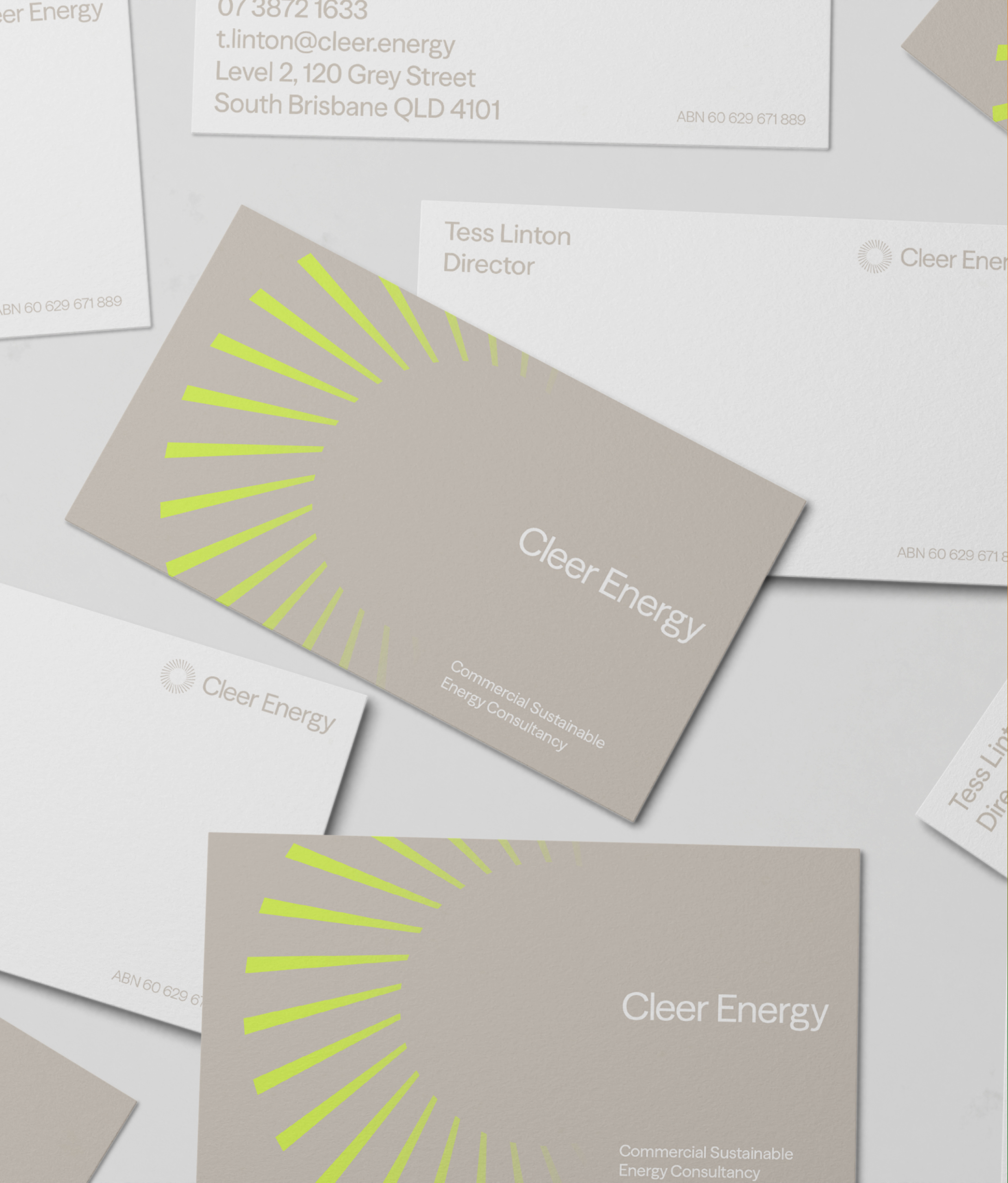
For years, brand design chased simplicity as a virtue in itself. Strip the logo. Reduce the palette. Flatten everything. The result was a sea of interchangeable marks: geometric sans-serif wordmarks in muted tones that could belong to any SaaS company on the planet.
Simplicity is not dead. But simplicity without strategy is just emptiness. The brands that stand out today practice restraint: a deliberate discipline about what the brand holds back, not just what it shows.
Simplicity vs restraint
Simplicity removes elements until little remains. Restraint chooses which elements earn their place, and protects them fiercely across every touchpoint.
A restrained brand identity might include a rich colour system, a distinctive typographic pairing, and a flexible layout language, but it will never add a gradient, a secondary logo, or a campaign lockup that undermines the core system.
Why restraint matters in brand development
Founders at pre-seed and Series B stages face a specific challenge: their brand needs to feel established before the company is. Restraint signals confidence. It says we know who we are, without shouting.
In our identity work at Maker Street Studios, restraint shows up in:
- Typography: One primary typeface used with conviction, not five weights applied inconsistently.
- Colour: A defined palette with clear primary, secondary, and functional roles, not every Pantone swatch on the menu.
- Layout: Generous space as a brand behaviour, not a default margin setting.
- Language: Messaging that says one thing clearly, not everything at once.
The cost of over-designing
Every unnecessary element in a brand system is a decision someone downstream has to make. Over-designed identities create inconsistency at scale, the opposite of what a growing company needs.
Restraint reduces decision fatigue for your team, your agencies, and your customers. It makes the brand easier to apply, not harder.
When to expand the system
Restraint is not rigidity. A well-built identity system includes clear rules for when and how to extend, campaign treatments, sub-brands, partnerships, new markets.
The difference is that expansion is intentional, documented, and governed by the strategy, not improvised by whoever opens Figma that week.
Building brands with restraint
Brand development at Maker Street Studios begins with strategy (positioning, audience, competitive differentiation) so that every design decision has a reason. Restraint is not a aesthetic preference. It is the output of knowing exactly what your brand needs to communicate.
To discuss strategy, identity, or a full brand development engagement, start a conversation with our studio.